Search

Q&A

All questions and answers are grouped into sections:


■ Core - the value of traditional art and our heritage;


■ Online museum - effective use of the site for researchers;


■ Subscription - professional research of traditional art;


■ Public and commercial use of content - for publishers, manufacturers of ethno/museum products and hand-made craftsmen;


■ Digitization and publication of collections - for collection owners (museums and private collectors).


If your question is not listed below, contact us.


Core

What is the value of Ukrainian traditional (folk) art, and why is it worth studying?

TRADITIONAL ART is part of our cultural heritage, which is one of the truest expressions of the artistic tastes of the entire nation, because the entire nation was involved in its creation. Such a broad scope and democratic consideration of voices (the aesthetic preferences of each community, and even each individual) makes traditional art a valuable cultural asset of Humanity, and it helps us, Ukrainians:


■ to remember who we are and what we are, to know that we were here and this is our land, and here are highly artistic proofs of our identity;


■ to distinguish ours, the UKRAINIAN SENSE OF BEAUTY, created by entire generations, from the others’;


■ to be able to see the world in a Ukrainian way, to be able to read and write in our artistic language;


■ to believe in ourselves and in Ukraine — beautiful, strong, “unrestrainedly and eternally creative”.
Why is it so important to preserve, digitize, and publish collections of traditional art?

■ UKRAINIAN SENSE OF BEAUTY imprinted in our cultural heritage is very fragile, perishable, and it may be destroyed by: light, temperature, humidity, pests, dirt, mechanical damage, theft, negligence, and barbarians from the east - these impacts are cumulative and irreversible.


■ The inaccessibility of physical exhibits, which is fully justified for preservation and safety reasons, can be compensated for by the wide availability of digitized exhibits. This is precisely why it is worth digitizing collections of traditional art so that they serve as reliable digital evidence that we can refer to in our story about ourselves and our past.

Why are KROVETS Core Values ​​and Community Standards important?

■ The Community Standards are designed to outline the minimum acceptable behavior, based primarily on current regulations: the Code of Museum Ethics from ICOM, the Law of Ukraine "On Museums and Museum Practice", the Rules for Trading in Antiques, the Law of Ukraine "On Copyright and Related Rights", as well as the Core Values ​​and Core Purpose of the KROVETS Online Museum.


■ To achieve outstanding results, it is not enough to just do the right things from time to time; it is equally important not to do the wrong things all the time. That is why we strive to build an ecosystem that promotes sustainable, civilized practices and does not tolerate a savage attitude towards our country, our heritage, and the rights of content authors.


Why is it worth exploring traditional Ukrainian art with KROVETS?

■ As of March 2026, KROVETS is the world's largest digitized collection of Ukrainian traditional art, published on the Internet — 3,840 exhibits. This allows you to explore the traditions of different regions on a significant number of relevant samples. You no longer need to rely on rumors and vague assumptions; now you can figure everything out yourself, having reliable samples;


■ The exhibits published on the site are illustrated with more than 45 thousand photo-reproductions, thanks to which you can examine and check all the important features and characteristics of each exhibit, as if holding it in your hands (without registration, you can only view the title photo-reproduction of each exhibit, and with a subscription, you can view all photo reproductions);


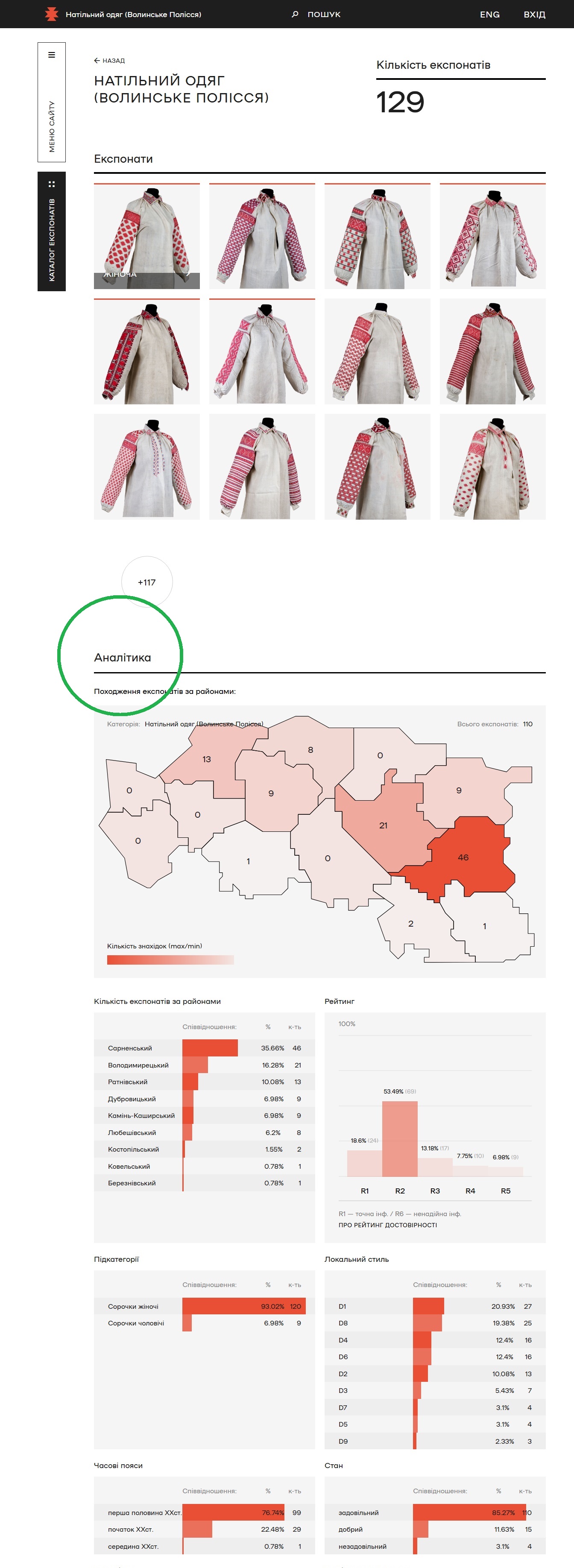
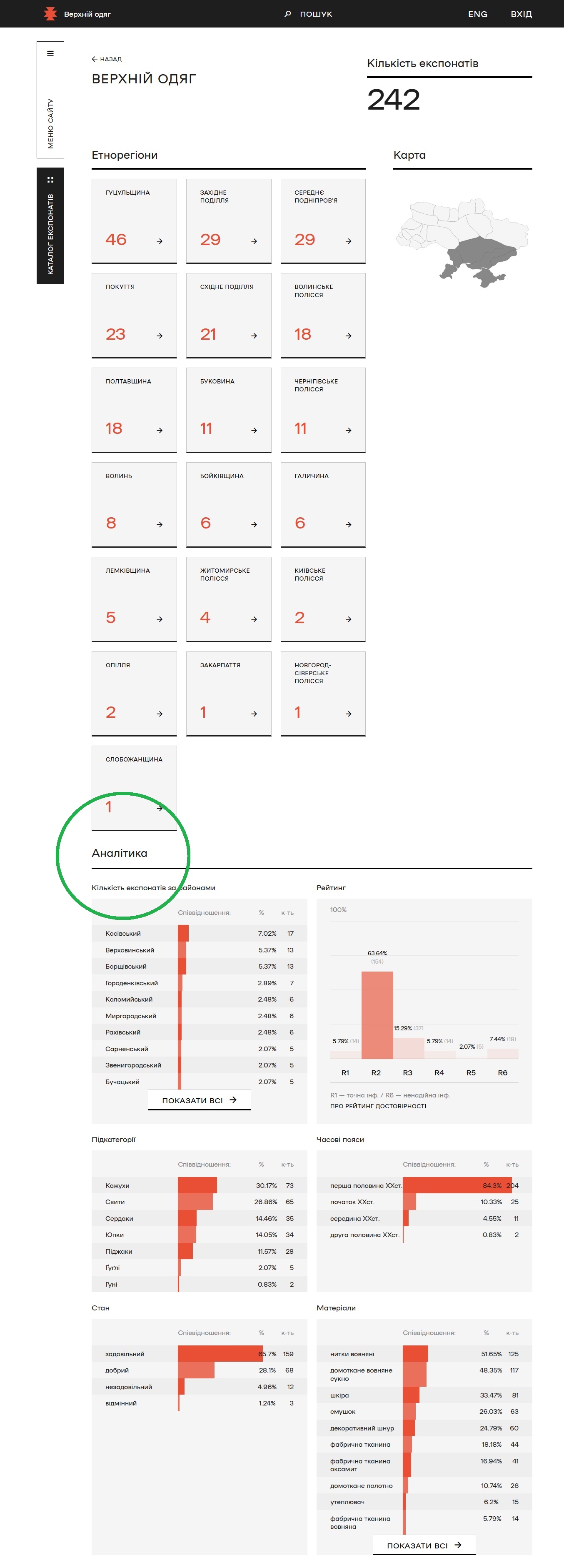
■ Only the online museum KROVETS has "Analytics" - infographics that allow you to find out at a glance which features and characteristics were dominant and which were secondary in each region and for each category of exhibits (here is an example), which significantly saves the time needed to study the features of traditional Ukrainian art;


■ You no longer need to search the entire site for exhibits that you liked, because all the photo-reproductions you liked are stored in your Mood board in Subscriber's Account (the function is available by subscription, the proceeds from the subscription go to digitizing other collections).

Online museum

What is the source of the ethnographic regions of Ukraine?

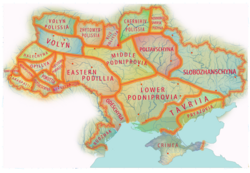
We have applied the ethnographic regions map of Ukraine developed by specialists using an appropriate methodology and based on the processing of a large array of factual ethnographic data. We researched this topic, interviewed specialists and museum staff, reviewed publications, and selected the Ethnographic Regions of Ukraine Map by Oksana Kosmina.


What are the sources of information about the origin of exhibits, and what is a "Rating"?

Approximately 5% of the exhibits published on the KROVETS website are our own finds, which we bought locally from the creators, owners, or their descendants, from whom we obtained information about the exhibits' origins. The remaining 95% are exhibits purchased from intermediaries, who unfortunately do not always collect complete and reliable information about their origin and sometimes even mislead. To warn about such a difference in the reliability of attribution, we introduced the Rating:


■ R1 - full and reliable attribution - the exhibit was purchased from the owners/creators/their descendants (the author's name and/or the town/village of origin is known);


■ R2 - full but less reliable attribution - the exhibit was purchased from intermediaries (the author's name and/or the town/village of origin is known);


■ R3 - incomplete and less reliable attribution - purchased from intermediaries (district and oblast of origin are known);


■ R4 - limited and less reliable attribution - purchased from intermediaries (only oblast of origin known);


■ R5 - almost no information about origin - purchased from intermediaries (only region of origin known);


■ R6 - no information about origin - purchased from intermediaries (region of origin selected "by analogy" with similar or similar exhibits).


What are the sources of descriptive data, and why are so many photo-reproductions prepared for each exhibit?

The description of exhibits (materials, techniques, colors, cuts, etc.) is carried out by museums and collectors. The following are key qualities of the description:


■ completeness — all qualities and characteristics that are present in the exhibit are captured and included in the exhibit description;

■ reliability — the described qualities and characteristics are really present in the exhibit;

■ consistency — alike qualities and characteristics are named consistently (the same terms are used for the same qualities).


These key qualities are achieved by:


■ Data thesauri — which contain standard sets of values ​​for each field;

■ Sufficient number of photo-reproductions (set by the minimum number of photo-shots and set up requirements for each photo-shot to ensure reliable visual representation of each group of exhibits) — so that all the qualities and characteristics of each exhibit could be described, or corrected, by reference to the photo-reproductions.


We try to ensure that everything that is included in the description of each exhibit (materials, techniques, colors, cuts, special and non-standard features) can be seen in its photo-reproductions. This is why we make such a number of photo-reproductions and have our own standard for each shot. Also, this allows us to correct any inaccuracies if the owners of the collections have missed something in the exhibit description.


Finally, such a number of photo-reproductions is dictated by the needs of the target audiences who use photo-reproductions.

How does "Analytics" help explore traditional art?

■ On the page of each exhibit category, there is an "Analytics" section that shows graphs that depict which features, signs, and characteristics of each category were dominant, which were usually present, and which were rarely encountered.


■ Such infographics are a generalization that is difficult to make simply by looking through hundreds of exhibits, because when you have to keep dozens of parameters in your head and group them, the human brain does not do it as perfectly and quickly as a computer.


■ Analytics helps to "read" patterns that are otherwise difficult to see, and in combination with Filters (by subscription), becomes a tool for professional research of traditional art.


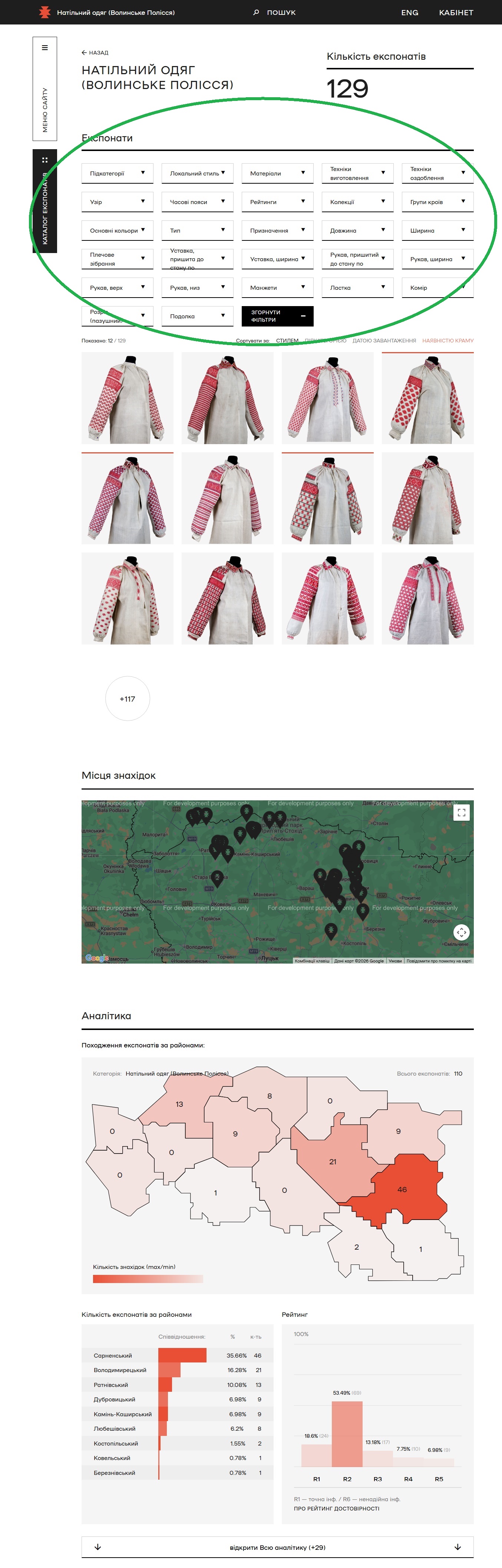
Examples of "Analytics": Outerwear, Shirts (Volyn Polissya).


To expand illustrations, open them in a new tab
 
How to activate Filters for "Analytics"?

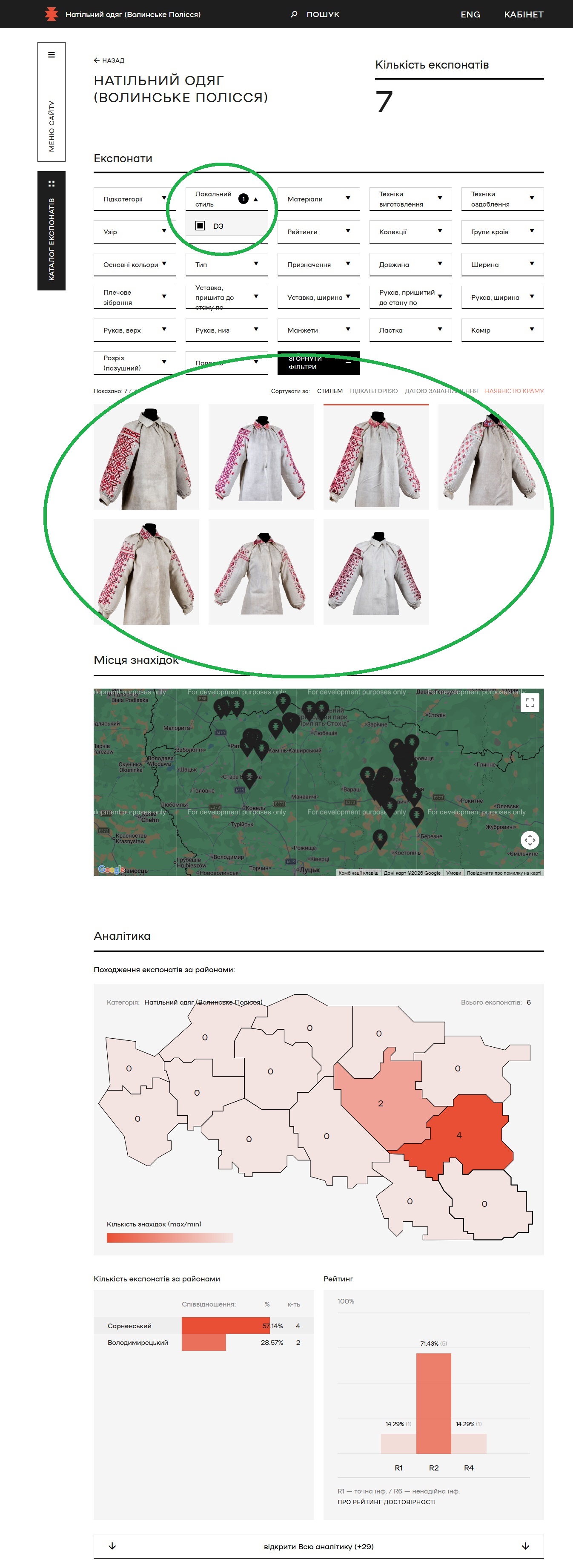
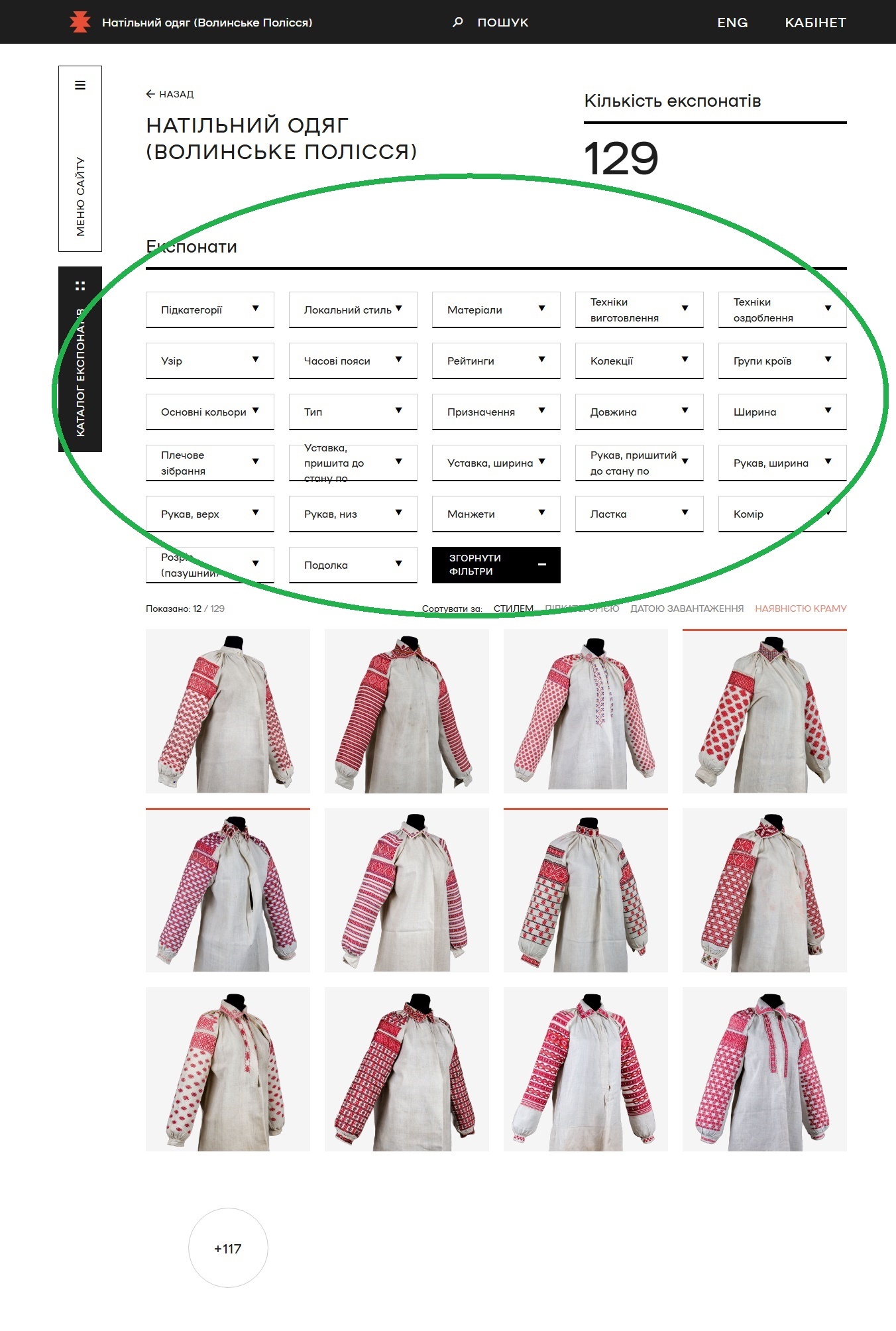
■ For subscribers, the infographics in the "Analytics" section become active, that is, you can apply filters (not available to users without a subscription) to highlight individual parameters, and then the "Analytics" section generates graphs based on the parameters highlighted in the filters.


■ For example, by selecting one value for the category "Shirts (Volyn Polissya)" in the filters: "Cuffs: Narrow", or several values: "Techniques: Crossstitch and Semicrossstich", "Color: White and Red", "Cut-Length: Long", etc., you can see the general picture of the prevalence of such features in the graphs.


■ This makes active infographics a tool for professional research into the characteristics of traditional art.


To expand illustrations, open them in a new tab


What are "Local Styles" and "Similar Exhibits"?

■ Such a generalized concept as a "Ukrainian shirt" never existed, instead, in different localities, their own recognizable traditions of shirt decoration and cut were formed - Local styles, by which we distinguish shirts from: Verkhovyna, Putyl, Hadyatsky, Borshchiv, Sarny-Volodymyretsky, Serafynetsky, Verbovets, Kosmatsky, Pistynsky, Stinyansky, etc. These styles were used to identify a friend or foe once encountered.


■ Even at the most local level, within the same community or village, there were no two identical shirts, but at the same time some of them were recognizably similar - like "sisters". These "sisters" form "families" - Local styles. All shirts in one Local style are recognizably similar (but not identical). This variability and similarity at the same time we call the "principle of variability while following a sample/style". Technically, Local Styles work as identifiers of "similar exhibits".


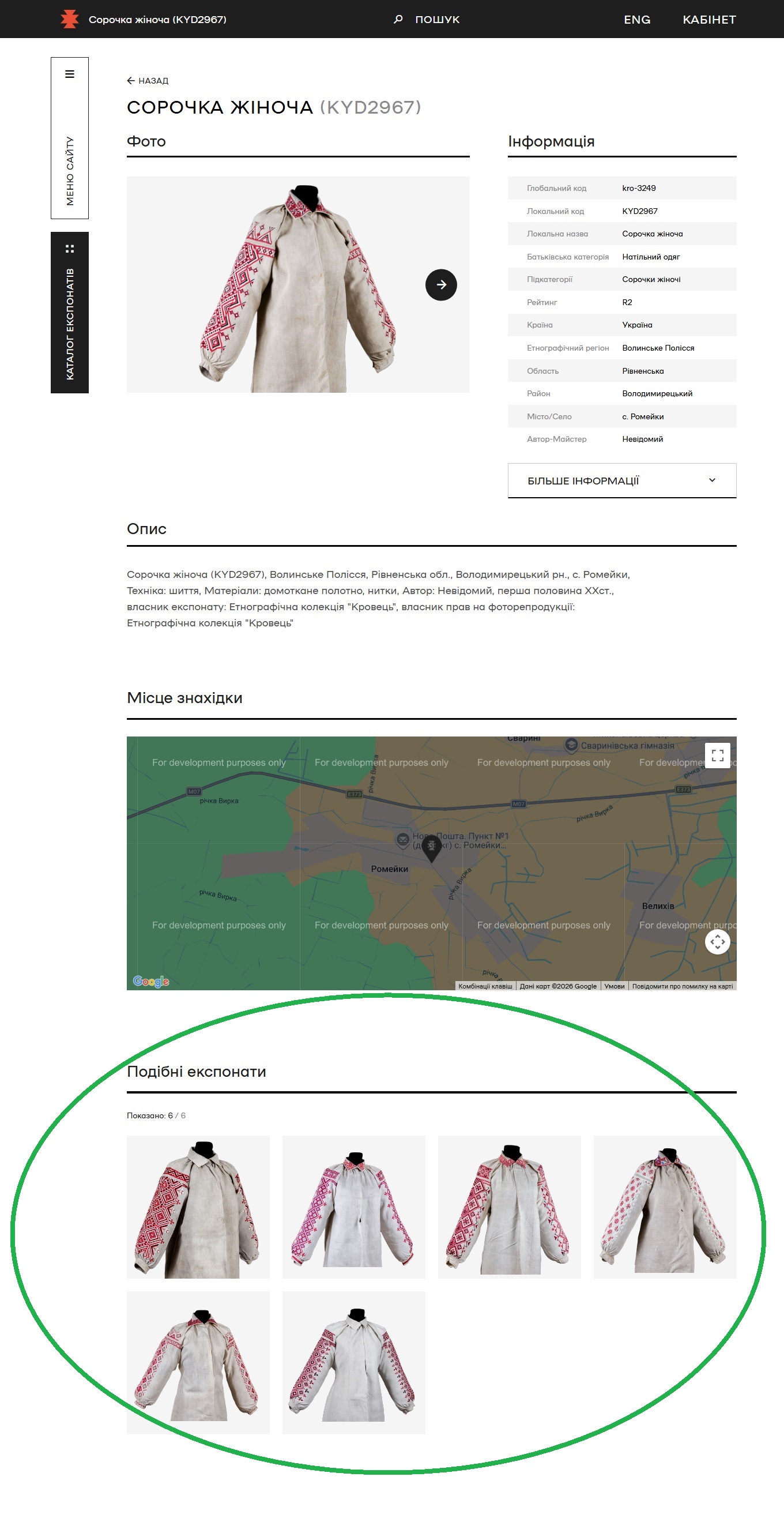
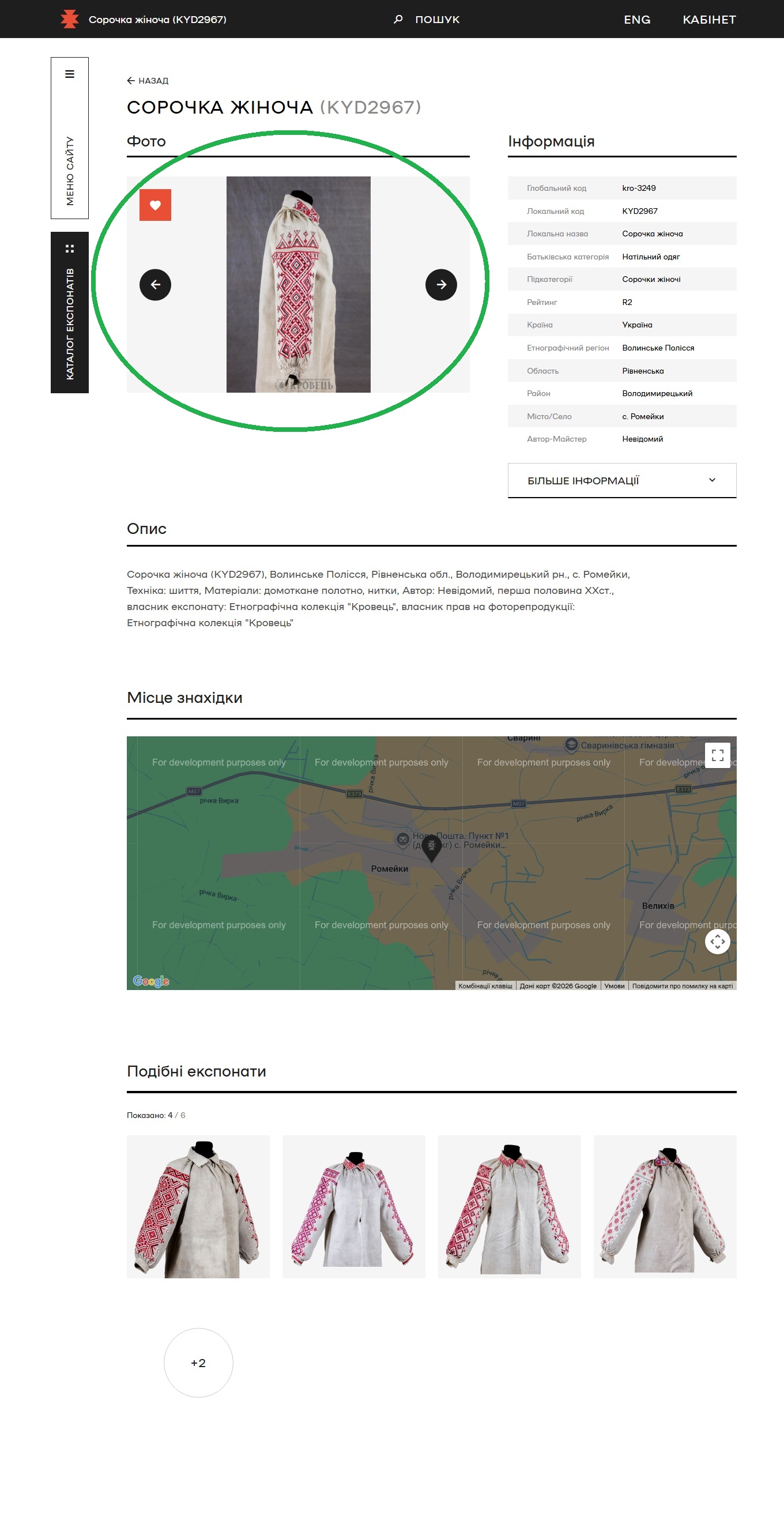
■ "Similar exhibits" is a section on the pages of exhibits (so far only women's shirts), where all the "sisters" of this exhibit are listed. "Similar exhibits"/"Local styles" provide another - more detailed level of generalization - they break down the set of exhibits of a certain subcategory from a certain ethnoregion into smaller groups according to visual similarity.


An example of an exhibit page with a list of similar exhibits - KYD2967.


To expand illustrations, open them in a new tab


What are "Related Exhibits"?

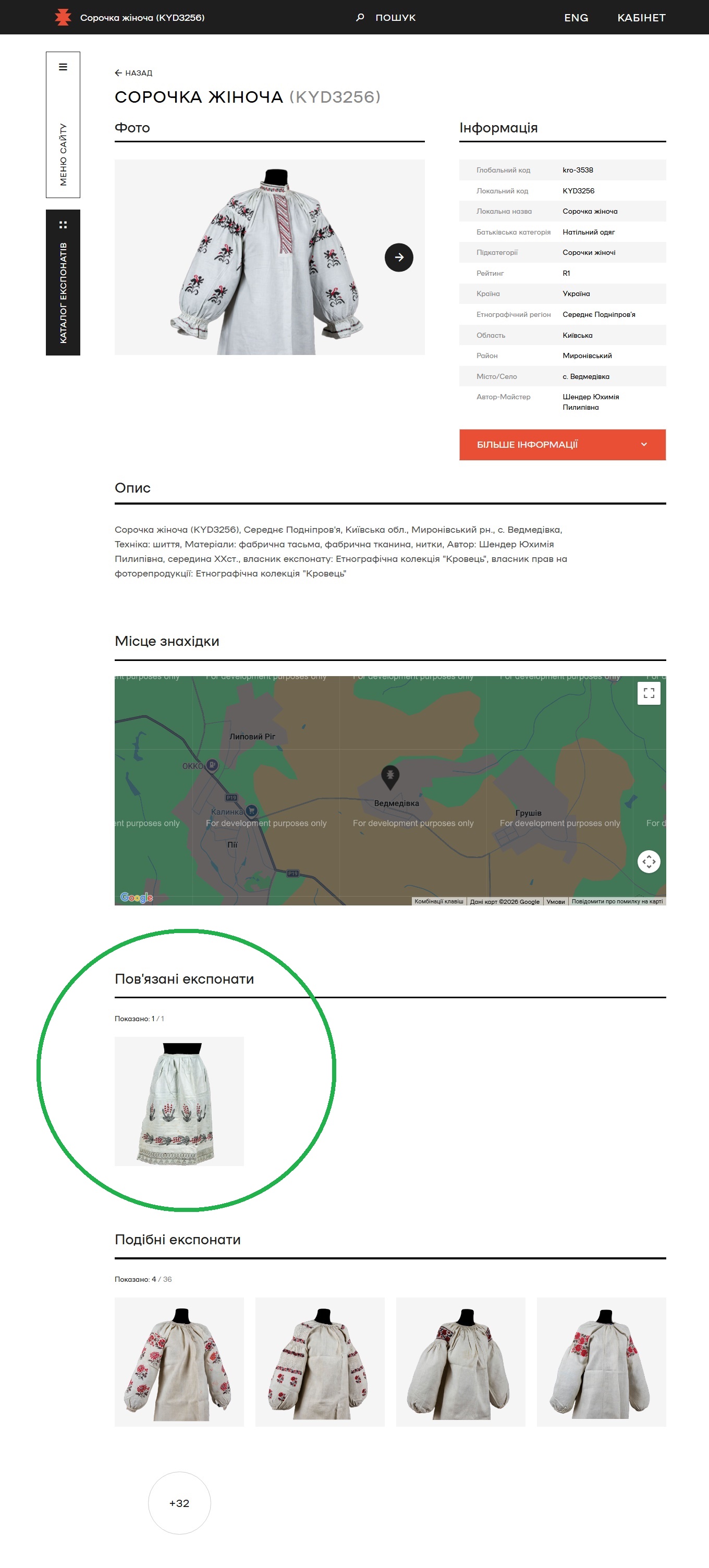
"Related Exhibits" is a section on some exhibit pages that lists exhibits that are somehow related to this exhibit, for example, purchased "from the same house" or that belonged to the same original owner.


Example of an exhibit page with a related exhibit — KYD3256.


To expand illustrations, open them in a new tab

Found an error or inaccuracy, or have a suggestion for improvement?

Subscription

Why do we need your Subscription?

KROVETS is an independent online-platform without state funding and intrusive ads. To properly maintain the site and digitize new collections, we need your support. Please subscribe!


What are the benefits for Subscribers?

Subscription provides additional functionality of the KROVETS online museum, in particular:


■ view not only the title, but also all additional photo-reproductions of each exhibit (in low quality);

■ apply Filters in “Analytics”;

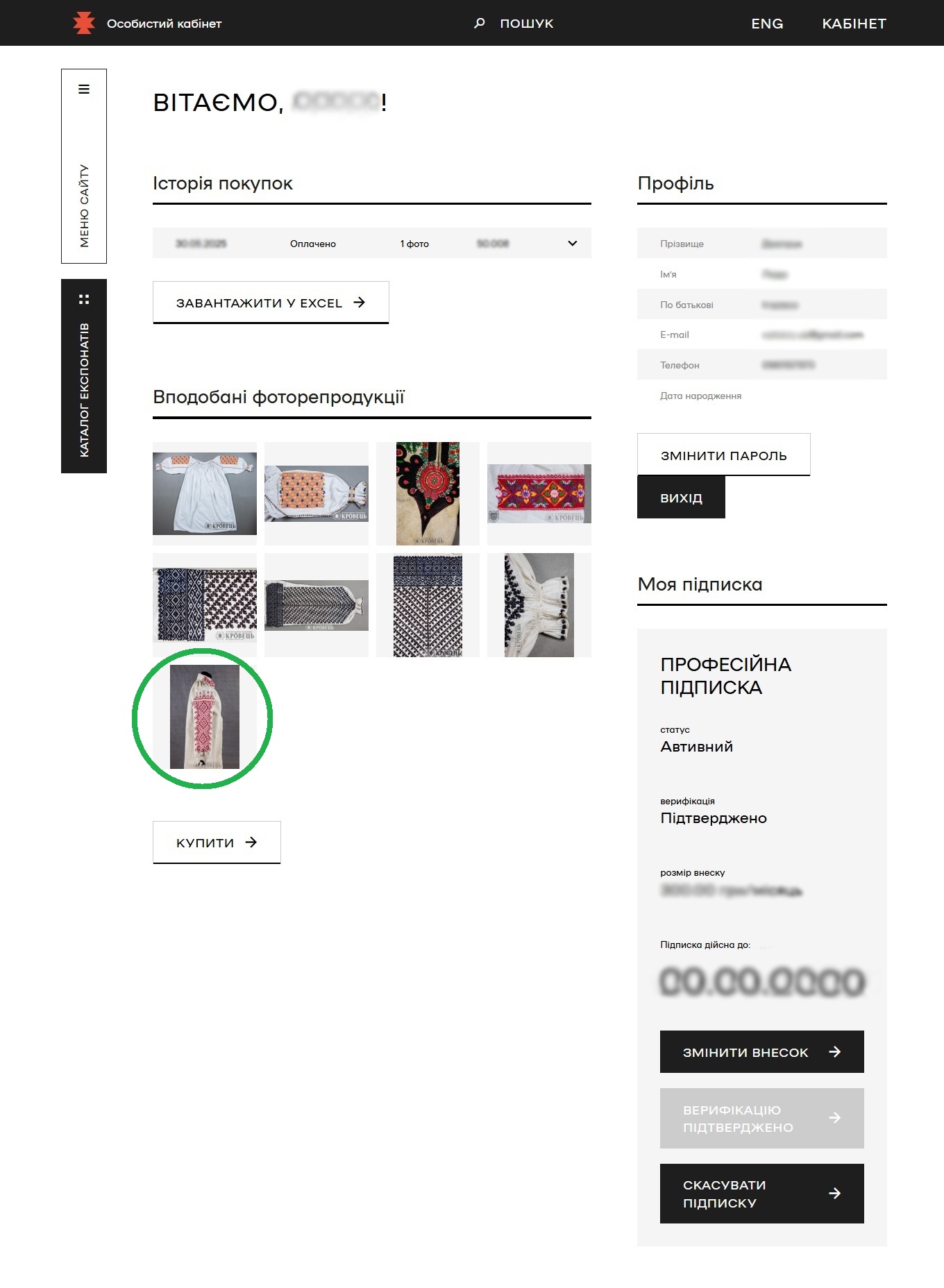
■ save your favorite photo-reproductions in the mood board in the Subscriber's Cabinet;

■ apply for verification to obtain the right to purchase photo-reproductions in high quality (up to 700KB).


To expand illustrations, open them in a new tab
  
Why are the Subscription sizes the way they are?

Achieving our GREAT AMBITIOUS GOAL - to digitize all collections of traditional art - is possible only through joint efforts, involving many collection owners and museums in the digitization, therefore the amounts of monthly charitable contributions are selected in such a way that for a one-month subscription it is possible to finance the digitization of one exhibit - the market value of high-quality digitization of a shirt is about 1200 UAH, a towel/coat/jacket is 700 UAH, and a painting/icon is 300 UAH.


How are the Subscription proceeds being spent?

The site operator — NGO "KROVETS" — accumulates subscription proceeds primarily to provide micro-grants to other museums and collection owners to reimburse their digitizing costs. As soon as a museum or collection owner digitizes according to the KROVETS-PRO Digitization Standards and publishes these exhibits in the KROVETS online museum, NGO "KROVETS" (upon prior agreement) may reimburse their digitization costs at the rate of 300, 700, or 1200 UAH (depending on the category) for each published exhibit. Amount of annual subscription proceeds and actual use of these funds are reflected in the Annual Report, which contains the Financial Statement of NGO "KROVETS".


How to activate a Subscription?

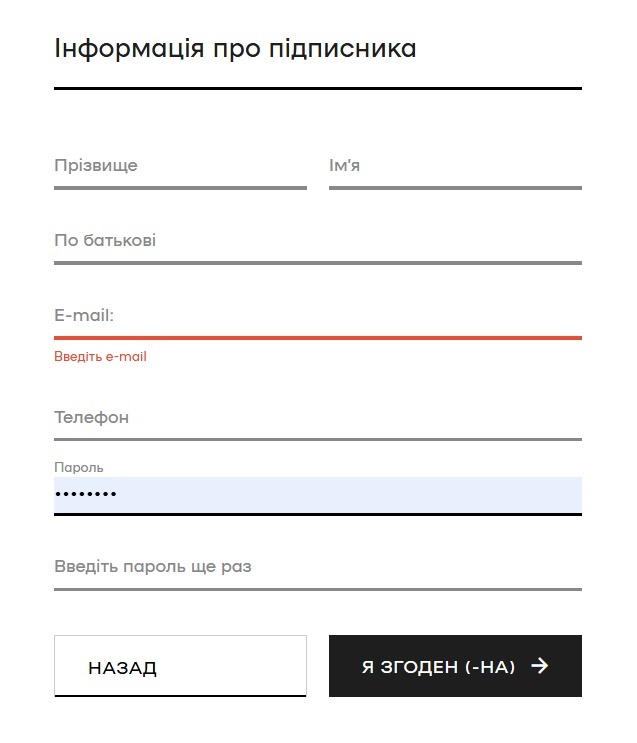
To subscribe, you have to complete online registration, which requires you to:


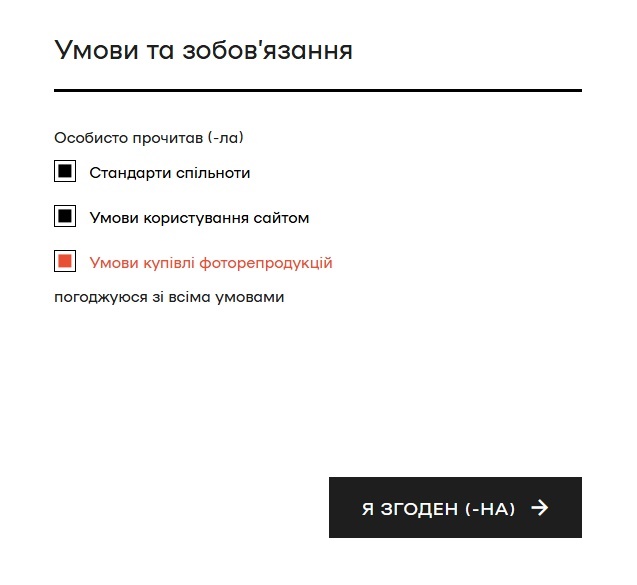
■ accept: Community Standards, Terms of use, and Terms of purchase of photo-productions;

■ enter your: e-mail, tel, and full name;

■ confirm e-mail;

■ pay the monthly contribution to activate the subscription.


To expand illustrations, open them in a new tab


How to gather your favorite photo-reproductions into your Subscriber's Cabinet?

■ Active subscribers can view not only the title-image, but all photoreproductions of each exhibit in low quality (approximately 300 by 400 pixels);


■ With an active subscription, on the page of each exhibit in the upper left corner of each photo-reproduction there is a ❤ "heart" icon - click on it to add this photo-reproduction to the list of "Liked photo-reproductions" in the Subscriber's Cabinet (if you click on it again, the photo-reproduction will be removed from the list).


To expand illustrations, open them in a new tab
 
Why is identity verification required to purchase photo-reproductions?

■ Achieving our GREAT AMBITIOUS GOAL - digitizing all collections of traditional art - can only be achieved through joint efforts, involving many museums and collection owners in digitization. To digitize their collections according to KROVETS-PRO, they have to apply significant efforts, so they aim to avoid the risk of uncontrolled distribution and use of their digital content. Uncontrolled distribution and use of photo-reproductions - demotivates and discourages owners from quality digitization of their collections, and wastes and devalues ​​their digitization efforts;


■ During online registration, the names entered by subscribers are not verified, so technically, it is possible to enter false names. It is necessary to verify each person who may purchase photo-reproductions in order to prevent uncontrolled distribution and use of content. In case the content was used for other than its intended purpose, this helps to identify violators;


■ Each photo-reproduction purchased and downloaded by a verified subscriber is protected by a watermark containing the full name and TIN of this subscriber, so that in case of violations it is known who exactly did not comply with the terms of use - this in no way prevents bona fide subscribers from using the content, but significantly facilitates the investigation and prosecution of violators.

How can I get the right to purchase photo-reproductions?

To be able to purchase high-quality photo-reproductions (up to 700kB), you have to:


■ sign up for a subscription and make sure it is active;

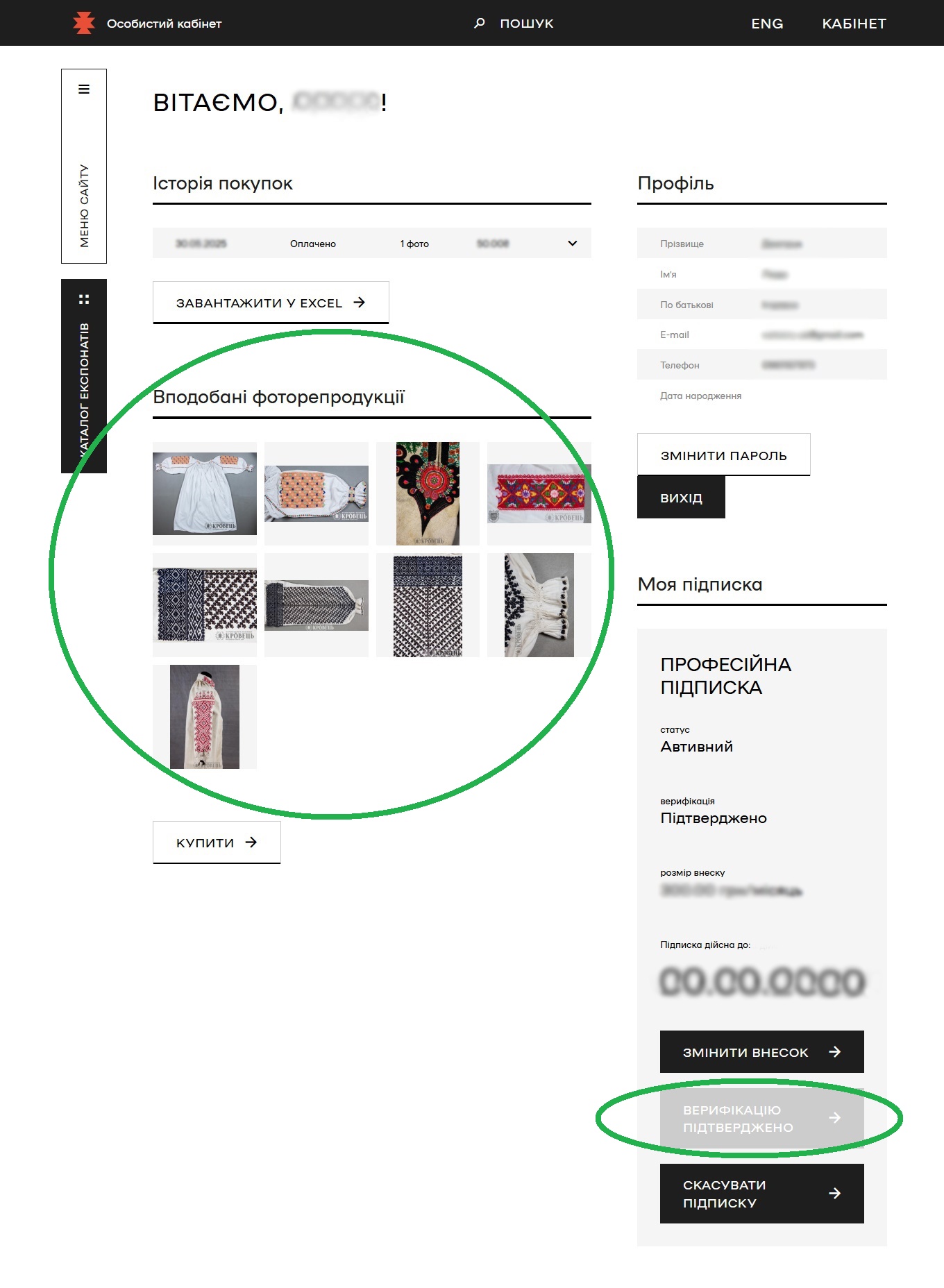
■ initiate verification by clicking the "Initiate verification" button in the Subscriber's Cabinet;

■ fill a validation form sent to your e-mail;

■ if necessary, answer additional questions (they will be sent to your e-mail);

■ in case of successful approval, sign an Additional Agreement via the "Vchasno" service;


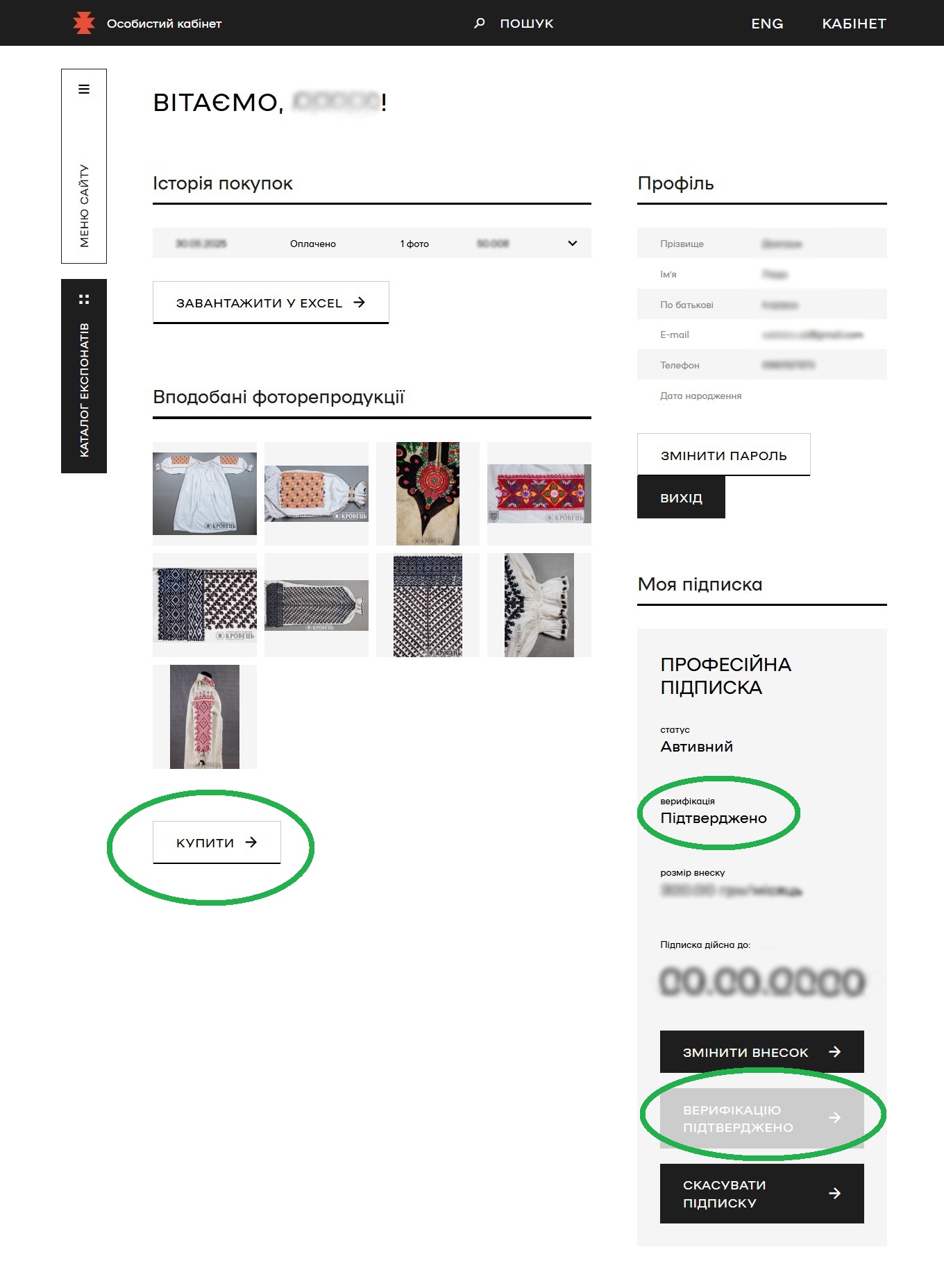
After signing the Additional Agreement, the "BUY" button will appear in the Subscriber's Cabinet under the "Liked photo-reproductions" section.


PLEASE MIND!!! This verification is only available to Ukrainian citizens with a valid digital signature!


To expand illustrations, open them in a new tab

How to purchase a photo-reproduction (verified subscribers only)?

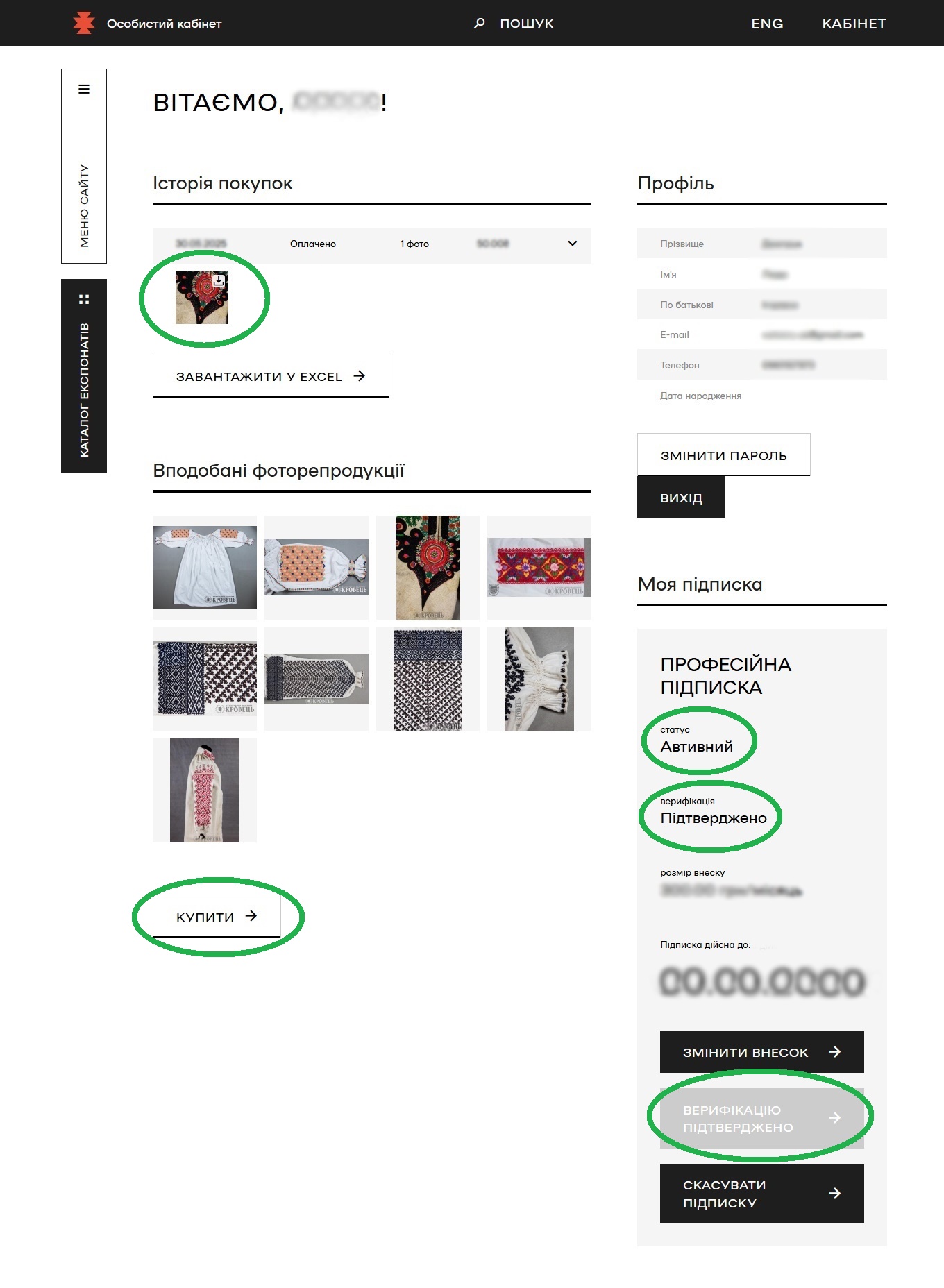
After successful verification, the "BUY" button will appear in the Subscriber's Cabinet under the "Liked photo-reproductions" list:


■ first, you need to like the photo-reproductions on the respective exhibit’s page so that these photo-reproductions appear in the "Liked photo-reproductions" list in the Subscriber's Cabinet;


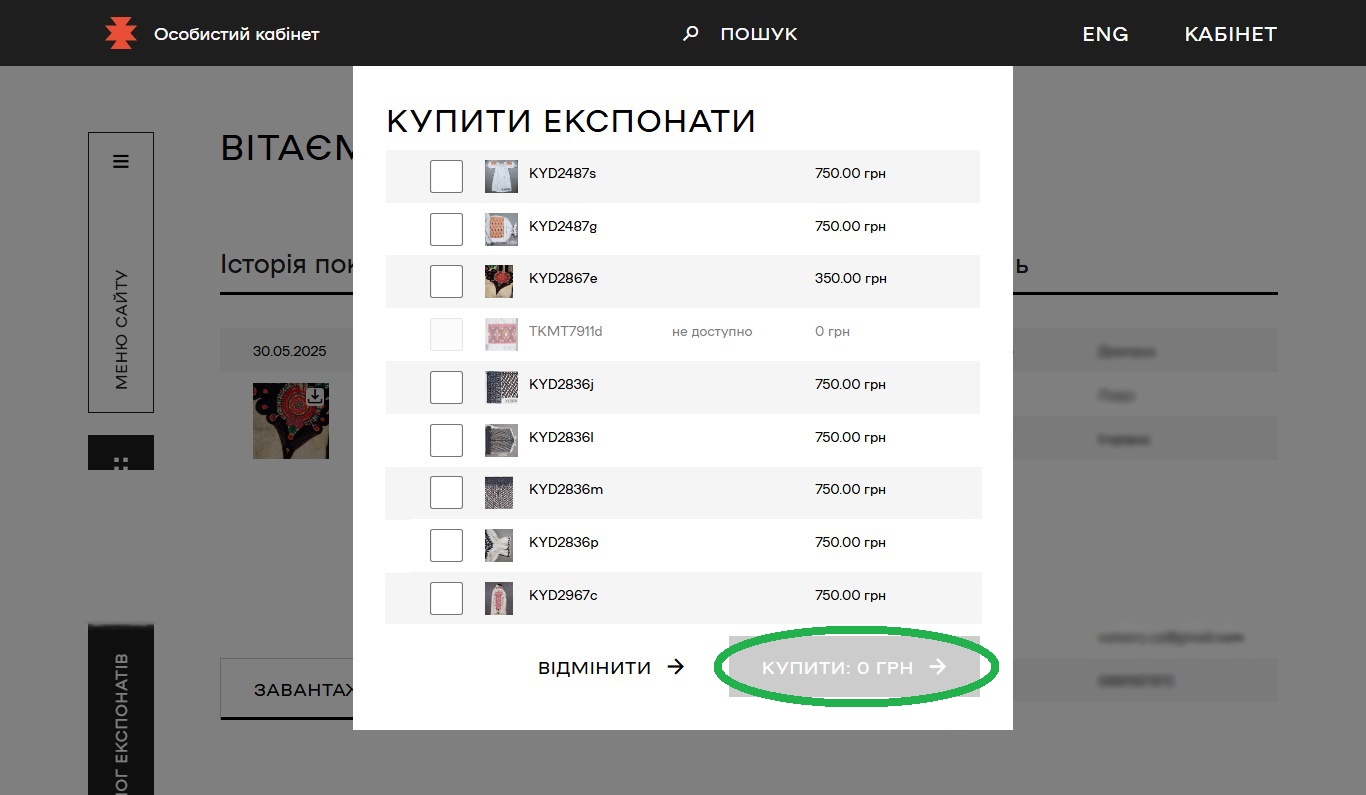
■ click "BUY" under the "Liked photo-reproductions" list - and a window will appear with a list of photo-reproductions available for sale with prices and the ability to mark ones for purchase;


■ select the desired photo-reproductions and click "BUY". Paid JPG files will appear in the "Purchase History" list in the Subscriber's Cabinet, from where they will remain available for download as long as the subscription is active.


Attention!!! Not all photo-reproductions are available for purchase! If the owners of the photo-reproductions have not consented to the sale, the photo-reproductions will not be available for purchase.


PLEASE MIND!!! Purchase of photo-reproductions is only available to Ukrainian citizens with a valid digital signature!


To expand illustrations, open them in a new tab


What are the prices for photo-reproductions for verified subscribers?

Prices for photo-reproductions are set by the rights holders, and they may change their prices at any time. As of March 2026, the current prices PER ONE PHOTO-REPRODUCTION for the exhibit categories were as follows:


■ Shirts — 650–750 UAH.

■ Other costume pieces – 350 UAH.

■ Carpets and Towels – 250 UAH.

■ Folk icons – 200 UAH.

■ Ceramics – 150-1000 UAH.

■ Tableclothes – 100-500 UAH.

■ Shoes and accessories, Headwear and jewelry, Musical instruments - 50 UAH.


PLEASE MIND!!! Purchase of photreproductions is only available to Ukrainian citizens with a valid digital signature!
Can I see a sample of downloaded photo-reproductions?

Yes, here are some sample photo-reproductions after downloading.


All purchased and downloaded photo-reproductions will be up to 700kB in size and will contain a watermark with the subscriber's full name and TIN. 


PLEASE MIND!!! Purchase of photo-reproductions is only available to Ukrainian citizens with a valid digital signature!
How can (and cannot) I use purchased photo-reproductions?

According to the Terms of use and the Terms of purchase of photo-reproductions, photo-reproductions MAY BE USED ONLY FOR PERSONAL NON-COMMERCIAL USE, for example:


■ as a screen saver for your phone or laptop;

■ as an illustration for a poster or calendar (personal use, not for sale);

■ as a source of ornament for reproducing on a shirt or other item (personal use, not for sale);

■ in any other way that does not involve distribution to third parties and receiving direct or indirect income.


YOU MAY NOT use photo-reproductions PUBLICLY and COMMERCIALLY, in particular for:

■ distribution on the Internet, even on your pages in social networks;

■ free transfer or sale to third parties;

■ compilation of embroidery schemes for their subsequent donation, transfer, or sale;

■ reproduction of ornaments or their fragments by hand or machine in a single copy or in bulk;

■ training AI;

■ receiving direct or indirect income in any way for distribution, use, or sale;

■ any distribution, to one person or group of persons.


PLEASE MIND!!! Purchase of photo-reproductions is only available to Ukrainian citizens with a valid digital signature!
Need any help with subscription?

Public and commercial use of content

How to obtain permission for public distribution or commercial use of photo-reproductions, in particular, for making replicas of exhibits, making embroidery patterns, reproducing ornaments?

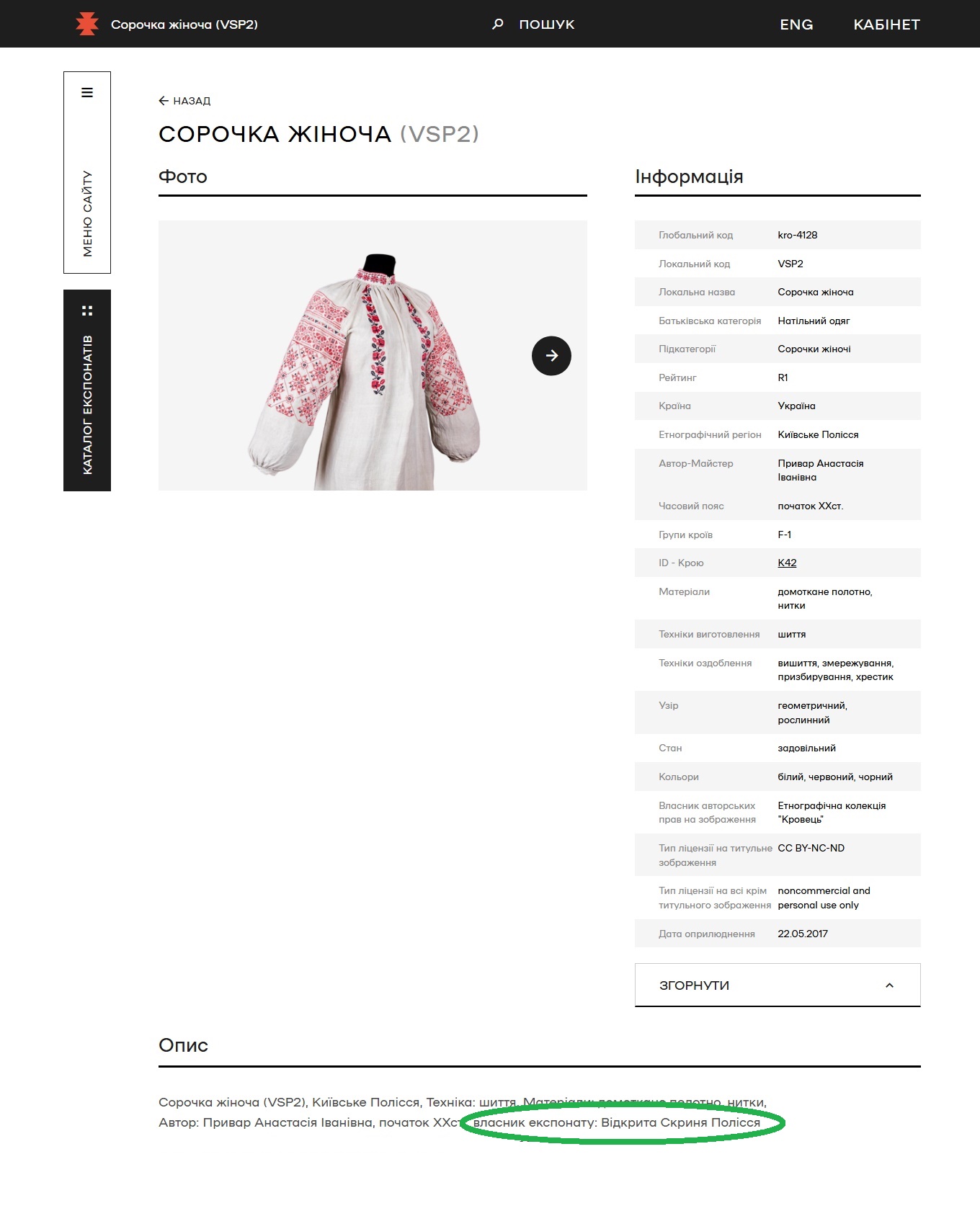
■ All rights to photo-reproductions of exhibits and their reproduction belong to the collection owners (indicated on the page of each exhibit). To obtain permission for any public or commercial use of photo-reproductions and reproduction of exhibits or their parts, you have to contact the rights holders (collection owners).


■ The owners' contacts are not published on the site. To obtain contacts, please contact us. If your proposal appears to be of interest to the owners, we will provide their contacts.

How to sell your merch, ethno/museum products, handmade items through the "Museum Store"?

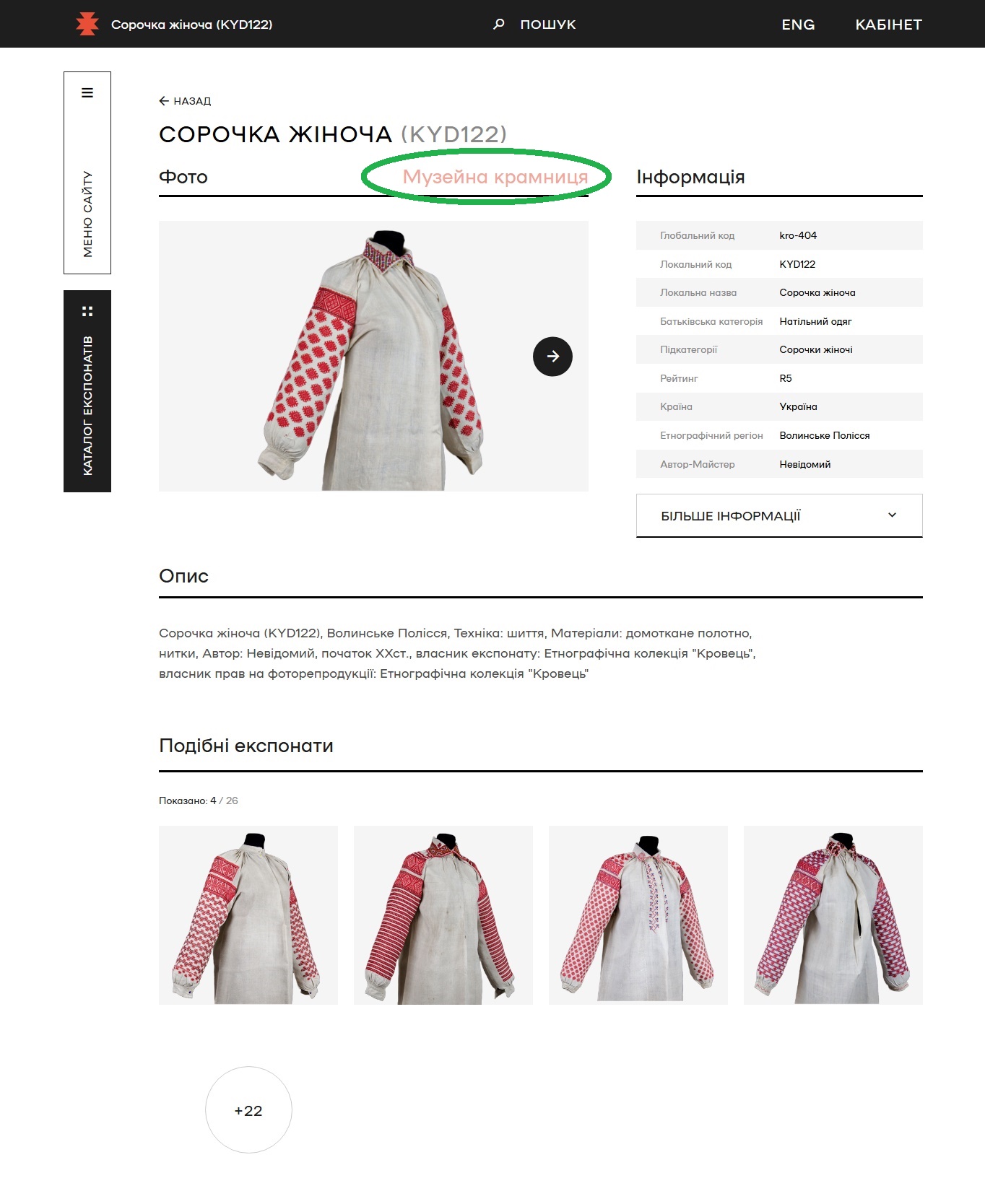
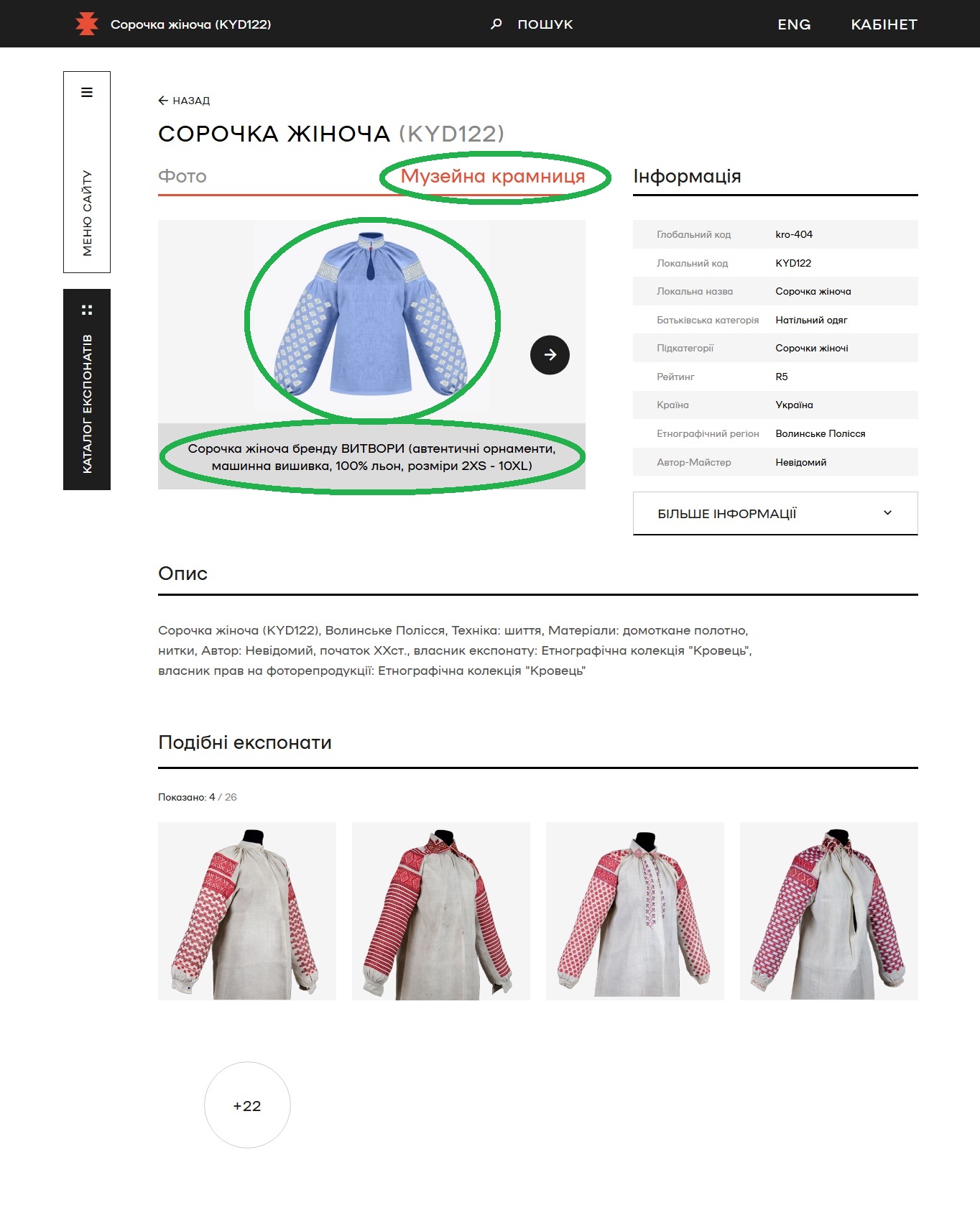
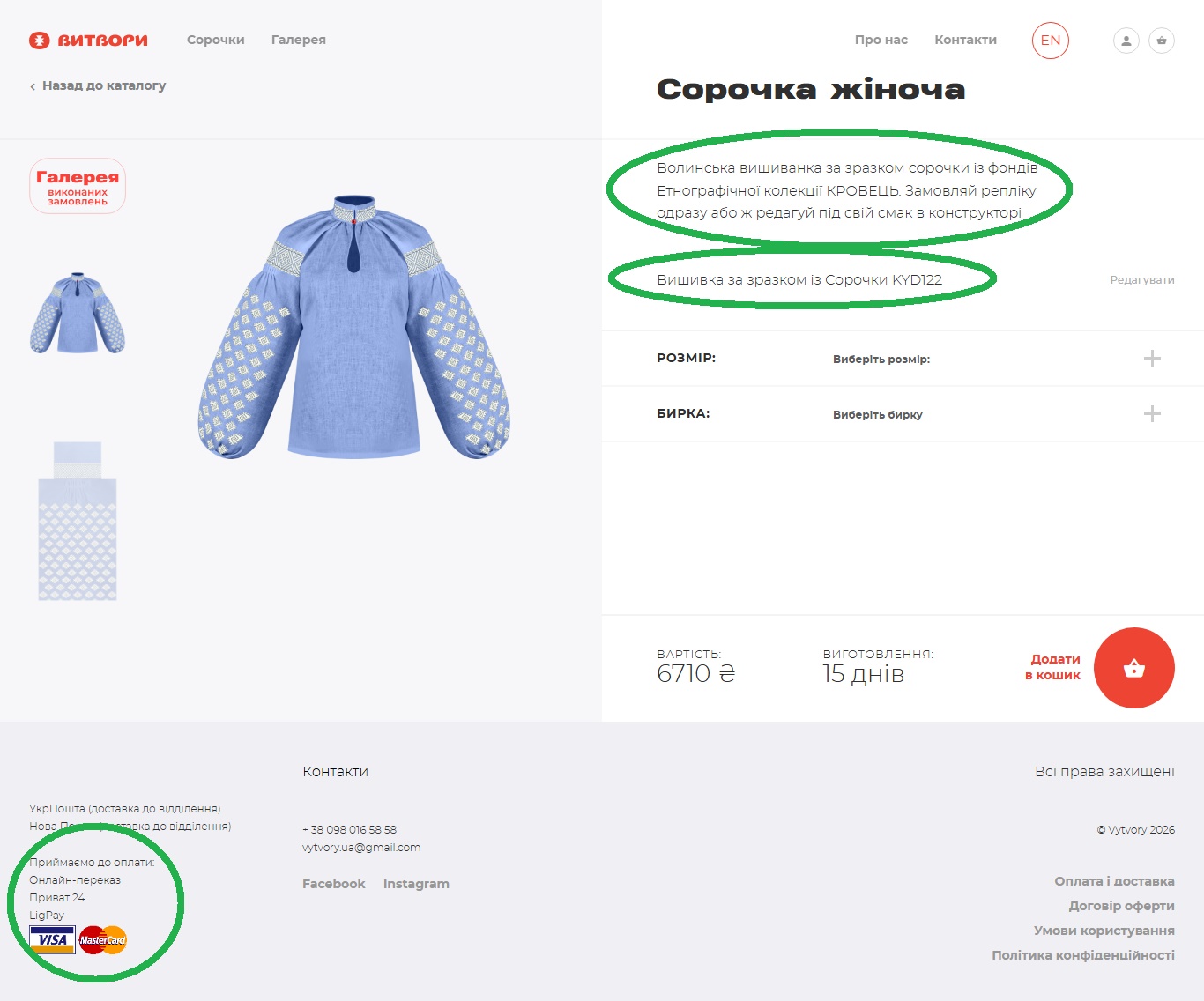
■ On the page of each exhibit, the "Museum Shop" can be activated - this is a virtual showcase integrated into the field for viewing photo-reproductions. This showcase contains an illustration of each merchandise, as well as a direct link to the online store where this merch can be purchased. By “merch” we mean: a replica of the respective exhibit, a derivative ethno/museum product, or a hand-made product created based on or inspired by this exhibit.


To place your merch in the "Museum Shop" of a specific exhibit, the merch must:


■ Have recognizable features of this particular exhibit (be its replica, stylization, etc.);

■ Be produced under the permission of the exhibit owner;

■ Be a high-quality product made in Ukraine (not imported or antique stock);

■ Had a URL link to the permanent page of this particular merch in its manufacturer’s official online store (with official payment, taxation, etc., options for linking to pages or profiles in social networks are not considered).


The merch is uploaded to the exhibit page by the administrator of the KROVETS site, and regarding the commercial terms of such cooperation, please contact us.


An example of an exhibit page with activated Museum Shop — KYD122.


To expand illustrations, open them in a new tab
  
Whom to contact regarding content distribution/use, merch sale via “Museum shop”, and other collaborations?

Digitization and publication of collections

How to digitize your traditional art collection?

To digitize your traditional art collection:


■ Organize provenance and other related information for your exhibits (see section 2.2 UKR);

■ Label your exhibits (see section 2.3 UKR);

■ Photograph the exhibits according to KROVETS-PRO Digitization Standards (how to organize the photography process UKR);

■ Post-process all photo-reproductions according to KROVETS-PRO Digitization Standards (how to organize the post-processing process UKR);


Why have we introduced KROVETS-PRO digitization standards?

■ The KROVETS-PRO standards were introduced to unify and standardize the digitization process for each category of exhibits. They list requirements for the minimum number of photo shots and the layout and appearance of each shot for each category of exhibits.


■ The purpose of KROVETS-PRO standards is to provide a true and fair in all significant respect visual photographic representation of exhibits from each category of traditional art ("digital copy") to meet the needs and expectations of the main groups of users of the photographic reproductions (target audiences).

How to get a mini-grant from the NGO "KROVETS" for digitizing and publishing your collection on the online-museum KROVETS?

Any museum or traditional art collection owner may apply to NGO "KROVETS" for a mini-grant to finance digitizing their collection according to KROVETS-PRO digitization standards and publish it on KROVETS. 

To apply for a mini-grant:


■ Register a Collector's Account and undergo verification as the Collection Owner;


■ Negotiate the total number of exhibits from each category that are planned to be digitized, supported by the mini-grant (availability of the mini-grant may depend on the financial capability of the NGO "KROVETS" at the time);


■ Agree on the exact exhibits from each category to be digitized, supported by the mini-grant;


■ Take photographs and post-process all photo-reproductions of all agreed exhibits according to the KROVETS-PRO standards;


■ Get NGO "KROVETS" to confirm the compliance of all your post-processed photo-reproductions with KROVETS-PRO standards (correct inconsistencies if necessary);


■ Upload descriptions and photo-reproductions of all exhibits to KROVETS and, after moderation, wait to see them all published on KROVETS.


Where to photograph my collection if I don't have my own photo studio?

Any museum or traditional art collection owner may apply to NGO "KROVETS" for FREE USE of our photo studio in Kyiv (with the possibility of overnight stay), provided that:


■ Dates and all details are agreed in advance (1.5-2 months before the shooting date, given the studio is available on these dates);

■ The maximum number of exhibits for digitization per one shooting session - 50 units;

■ The maximum length of one shooting session - 3 days (2 nights);

■ The maximum number of people who can stay overnight - 2 persons;

■ Transportation of exhibits to/from the photo studio in Kyiv is at the museum’s/owner's expense.


To book the photo studio, please contact us.


How to publish a digitized collection on the online-museum KROVETS?

Any museum or collection owner may publish their traditional art collection on KROVETS for FREE. 

To publish your collection:


■ Register a Collector's Account and undergo verification as the Collection Owner;

■ Take photos and post-process photo-reproductions of exhibits according to KROVETS-PRO standards;

■ Get NGO "KROVETS" to confirm the compliance of all your post-processed photo-reproductions with KROVETS-PRO standards (correct inconsistencies if necessary);

■ Upload descriptions and photo-reproductions of all exhibits to KROVETS and, after moderation, wait to see them all published on KROVETS.

How to get verified as the Collection Owner on the online museum KROVETS?

Since KROVETS acts as an aggregator and uploads content to Europeana, we cannot allow the publication of collections and content of uncertain origin. To publish a collection, you must be a legal owner or officially authorized person. 

To publish your exhibits on KROVETS:


■ complete the online registration of the Owner or Authorized person;

■ fill out the verification form (UKR) to identify you as the Owner or Authorized person;

■ if necessary, answer additional questions (will be sent to your e-mail);

■ in case of successful approval, sign an Additional Agreement through the "Vchasno" service as verified Owner or Authorized person;


After signing the Additional Agreement as verified Owner or Authorized person, you can add exhibits and photo-reproductions through the Collector's Cabinet, which, after moderation, will appear on KROVETS.


How to add exhibits to the KROVETS website through the Collector's Cabinet?

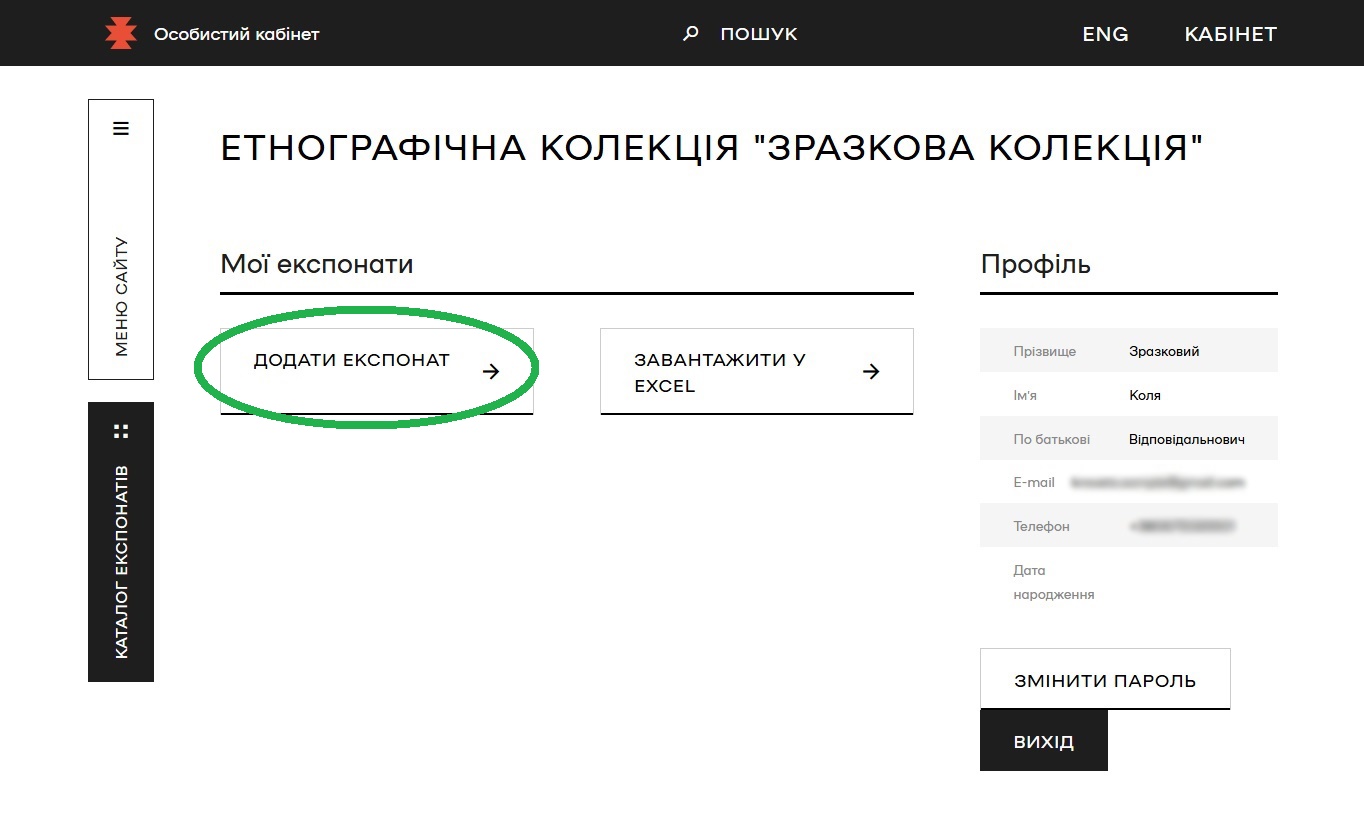
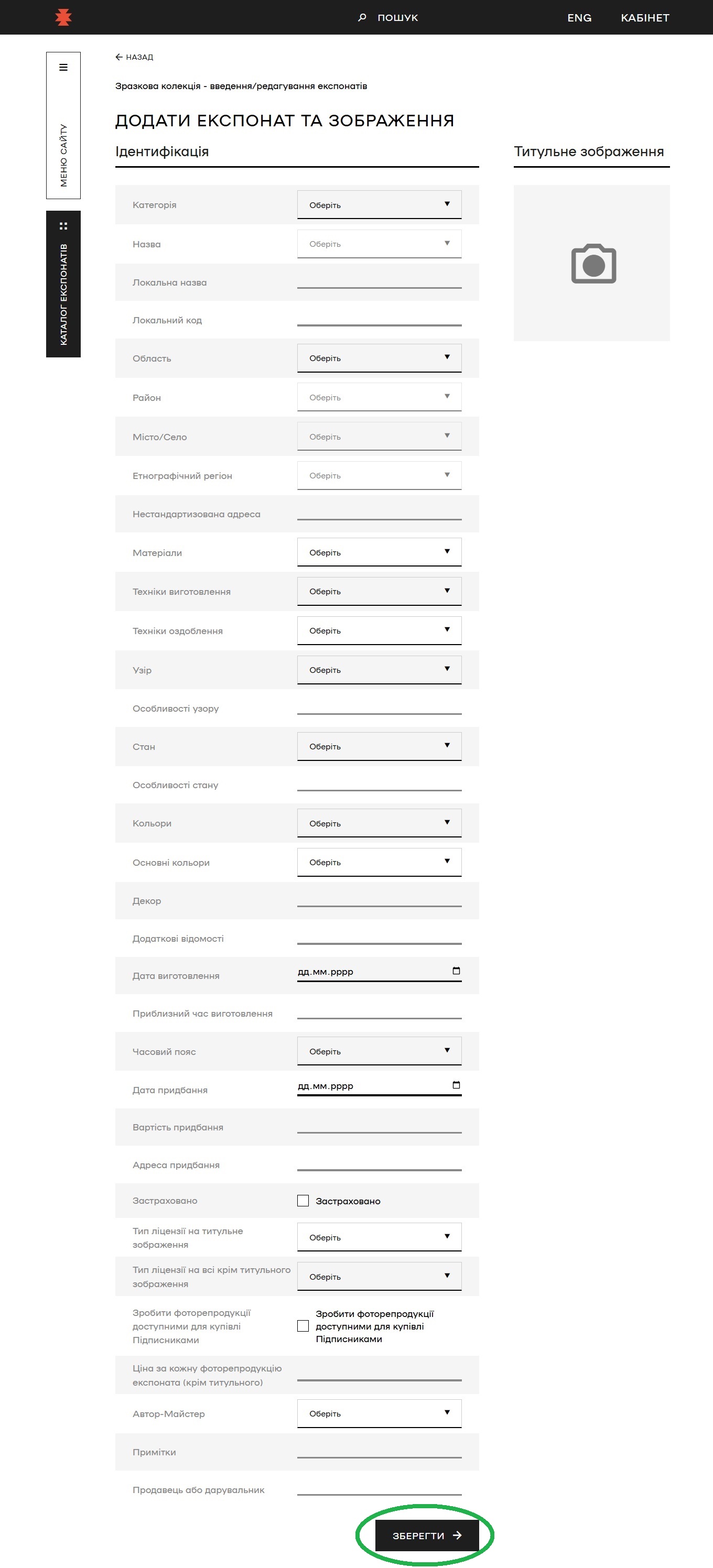
After registering your own Collector's Account and undergoing verification as the Collection Owner, you can add exhibits and upload their photo-reproductions through the Collector's Cabinet. To add exhibits:


■ Click "Add exhibit" in the Collector's Cabinet;

■ Fill in the relevant fields;

■ Upload photo-reproductions of the exhibit to the appropriate fields;

■ Click "Save" and wait for moderation to see the exhibit published on KROVETS.


ATTENTION! Each change to any field made by the Collection Owner after the exhibit has been approved and published on KROVETS must be re-approved, so after each change, the exhibit will not be visible on KROVETS until approval.


To expand illustrations, open them in a new tab
 
How will my collection be displayed on the online museum KROVETS?

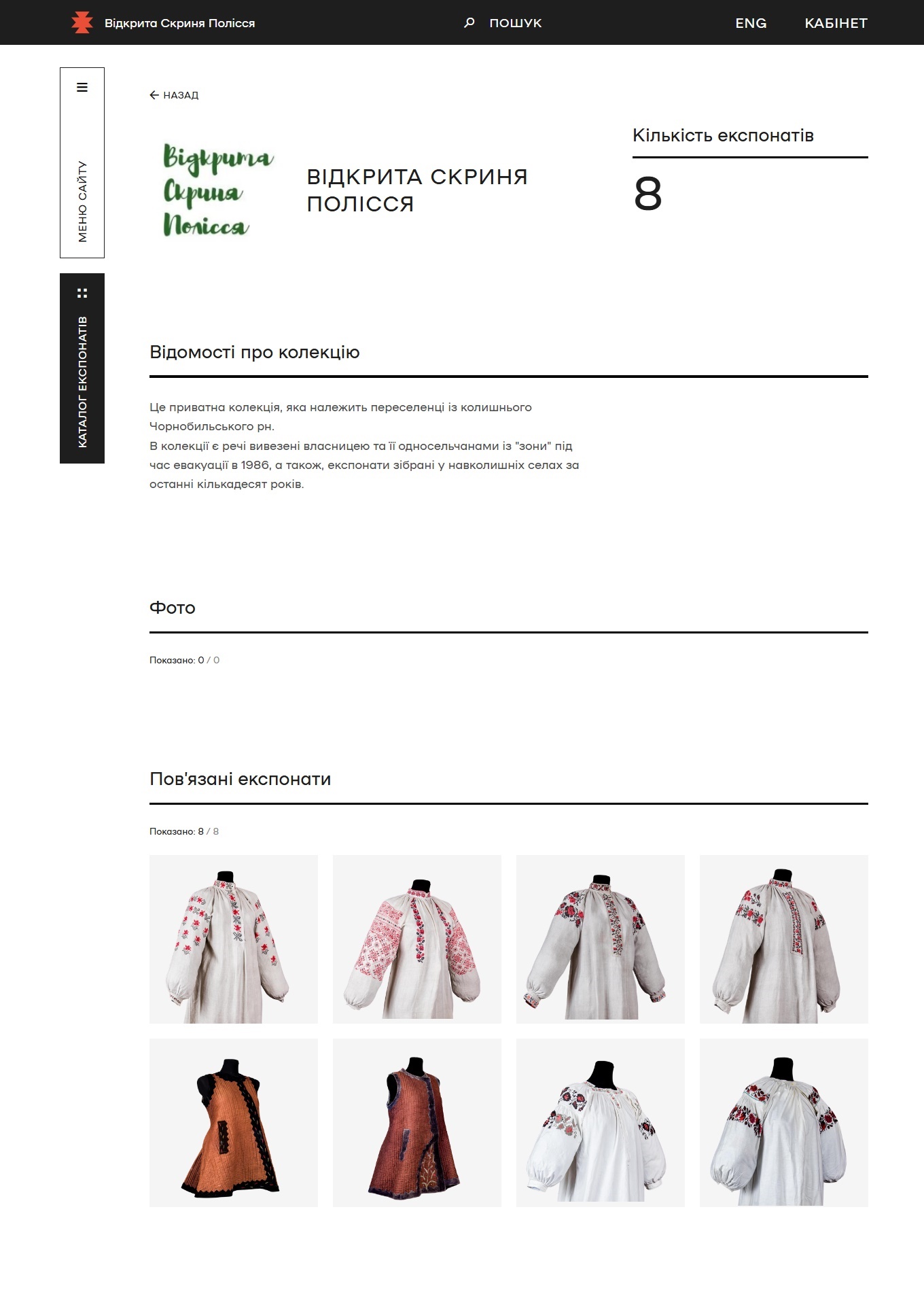
After registering your own Collector's Account, undergoing verification as the Collection Owner, and uploading descriptions and photo-reproductions, the published exhibits will be displayed as follows:


■ Each particular exhibit - in the relevant catalog of exhibits of the respective category of the respective region;

■ All exhibits of the collection together - on a separate page dedicated to your Collection or Museum (Collection page example);

■ The museum or collection owner will be indicated on each exhibit’s page.


ATTENTION! Each change to any field made by the Collection Owner after the exhibit has been approved and published on KROVETS must be re-approved, so after each change, the exhibit will not be visible on KROVETS until approval.


To expand illustrations, open them in a new tab


How to upload your collection to Europeana with KROVETS?

KROVETS is an aggregator that collects and publishes collections of traditional art. The exhibit’s data, published on KROVETS, allows these exhibits to be uploaded to Europeana. Such uploading is being executed under the conditions and within the time specified by Europeana. This uploading is FREE. To upload your collection to Europeana:


■ Properly digitize and publish your exhibits on KROVETS;

■ Correct all inaccuracies so that after upload into Europeana, no changes are made to the exhibit records.


How does KROVETS protect my photo-reproductions from unauthorized distribution and use?

■ Only the title photo-reproduction of each exhibit is available to everyone (without registration), while the rest of the photo-reproductions can be viewed only by subscribers. This significantly narrows the possibilities for misuse, because it physically limits access to all but title photo-reproduction;


■ Subscribers can view (and copy from the screen) all photo-reproductions of each exhibit only in low quality (approximately 300 by 400 pixels), which is insufficient for most ways to earn money on photo-reproductions;


■ Only verified subscribers, identified by their electronic digital signature, can purchase photo-reproductions in high quality (up to 700 kB, which may be sufficient for reproducing exhibits or their fragments). Verification of subscribers significantly limits the circle of persons who can have access to high-quality photo-reproductions, which prevents uncontrolled circulation and use of your digital content;


■ When being purchased by a verified subscriber, each downloaded photo-reproduction is protected by a watermark, which contains the full name and TIN of the verified subscriber; thus, in the event of detection of unauthorized use, it is possible to trace who downloaded such photo-reproduction and could have used it illegally.


This approach significantly reduces the possibilities for abuse and helps to find perpetrators to bring them to justice.


How to sell photo-reproductions of my exhibits with KROVETS?

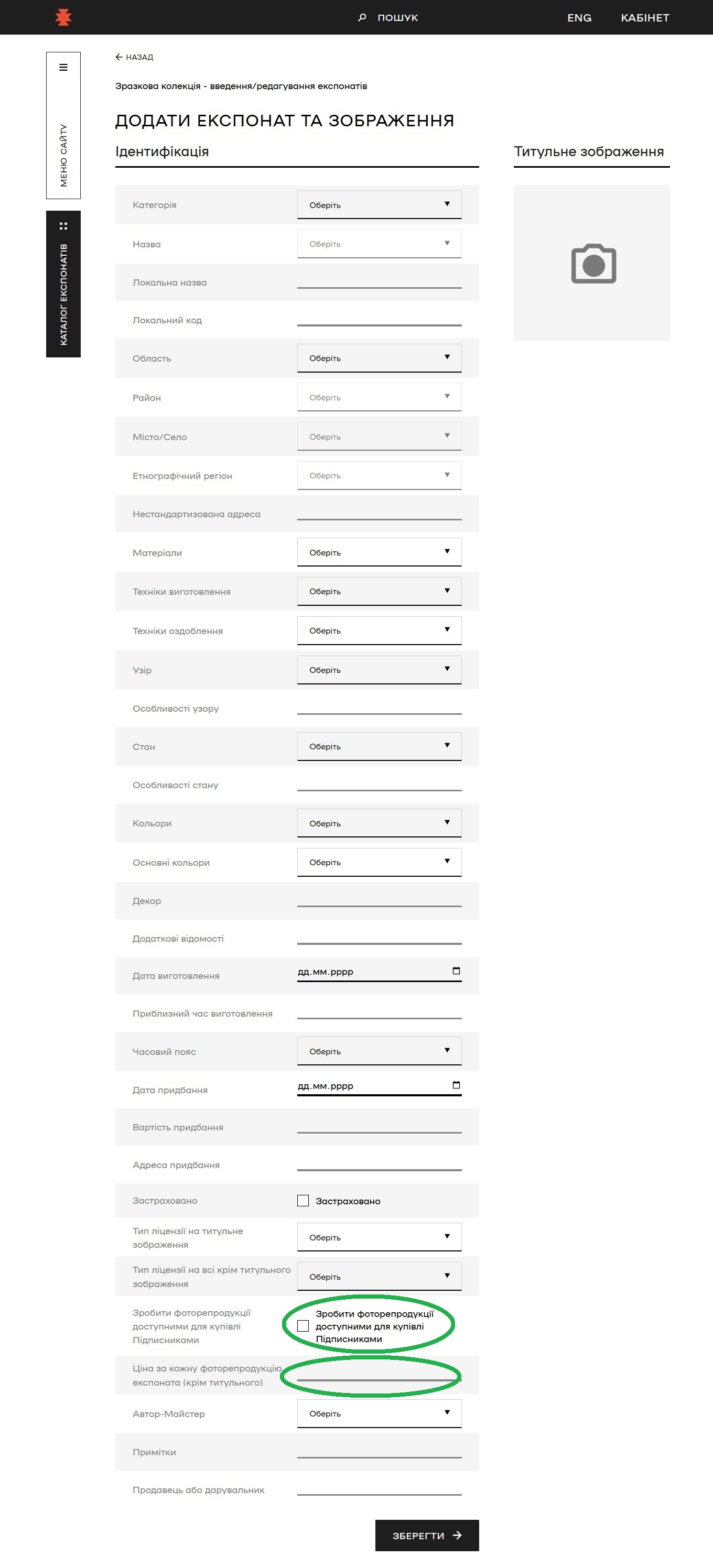
■ After registering your own Collector's Account and undergoing verification as the Collection Owner, in the Collector's Cabinet, along with the fields describing the characteristics of each exhibit, you can enter a price for photo-reproductions of the exhibit. At this price, each photo-reproduction of this exhibit will be available for sale.


■ The Collection Owner can change prices at any time. The changed prices will be displayed after moderation.


To expand illustrations, open them in a new tab

How do I sell my museum merch and souvenir products with KROVETS?

■ On the page of each exhibit in the photo-reproductions viewing field, the Museum Shop can be activated, which is a virtual showcase that contains illustrations of your merch or souvenir products and links to an online store where this merch or souvenir products can be purchased.


■ Please refer to question "How to sell your merch, ethno/museum products, handmade items through the "Museum Store"?" for details.


■ To activate this functionality, the Collection Owner must be a manufacturer of such merch/souvenir products, or be a partner to such a manufacturer able to sell online.


■ For commercial terms of activating this functionality, please contact us.


An example of an exhibit page with activated Museum Shop — KYD122.

How do I receive royalties from the VYTVORY brand for permission to produce replicas of my exhibits?

Online customizer VYTVORY is a manufacturer of clothing, household items, and museum souvenirs related to the online museum KROVETS. VYTVORY reproduces ornaments from photo-reproductions published on KROVETS under the permission of their owners and pays royalties for such use. To cooperate with VYTVORY:


■ Register a Collector's Account and undergo verification as the Collection Owner and upload your exhibits to KROVETS so that they are published there;


■ Negotiate with VYTVORY the ornaments from your photo-reproductions, which the brand could reproduce (the most appropriate will be ornaments from unique shirts that belong to those Local styles that are already being reproduced by VYTVORY, or are being prepared for reproduction);


■ Sign licensing agreements with VYTVORY for the reproduction of ornaments based on your photo-reproductions to receive royalties (the Owner receives an agreed percentage, or a fixed royalty amount from each unit sale of each product which contains the ornament from licensed photo-reproductions).


For the commercial terms of activating such functionality, please contact us.

Didn't find the answer to your question here?